Why Hiring a Certified Arborist Is Key to Healthy Trees and Landscapes
Employing a professional arborist is crucial for those looking to maintain healthy trees and landscapes. Such experts bring specialized knowledge in the health of trees, spotting conditions that may not be visible to an inexperienced observer. Their knowledge extends across a wide array of solutions, from pest management to effective pruning methods. Recognizing what certified arborists offer can greatly influence the durability and visual appeal of your landscape. How can their expertise enhance the health of your outdoor spaces?
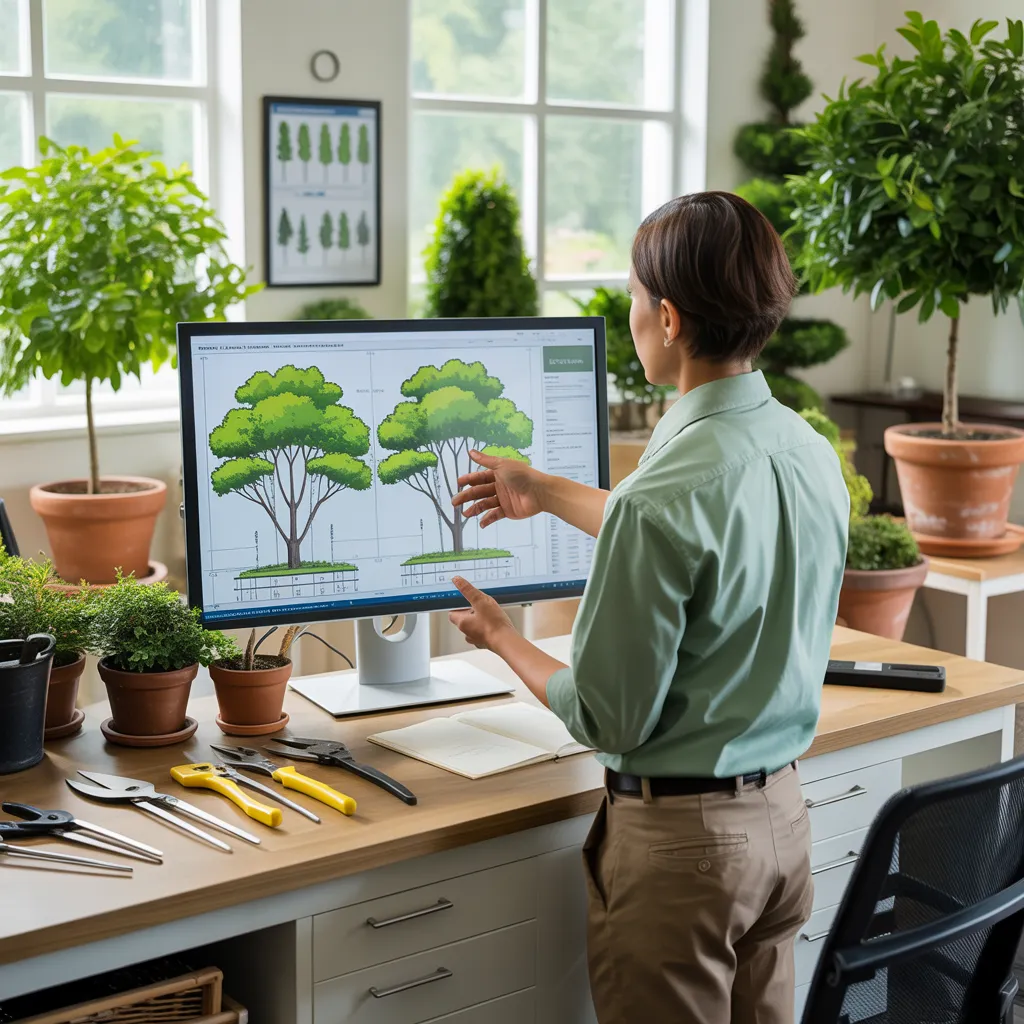
Frequent Tree Concerns Certified Arborists Can Fix?
A great number of homeowners deal with numerous tree-related challenges that have the potential to undermine the health and safety of their yards. Frequent issues encompass pests, diseases, and structural deficiencies that may go unnoticed until they escalate. Infestations by insects such as borers or aphids can damage trees, causing leaves to discolor or branches to die back. Furthermore, fungal conditions like root rot or leaf spot can threaten tree vitality, often requiring prompt intervention to stop progression. Physical problems, such as improper branching or unstable trunks, pose risks during storms, which may result in property damage. Nutrient deficiencies, often indicated by stunted growth or discolored foliage, also impact tree health. By detecting these problems in a timely manner, homeowners can minimize dangers and preserve the aesthetic value of their yards. Professional arborists have the expertise and equipment to diagnose these issues effectively, offering solutions tailored to restore and maintain tree vigor.
The Knowledge of Certified Arborists in Tree Health
Licensed arborists have specialized knowledge in tree health assessment techniques, helping them recognize concerns with precision. They implement precise methods for managing diseases and pests, promoting the long-term health and vitality of trees. Their skills are fundamental to sustaining flourishing environments and reducing tree health risks.
Tree Health Evaluation Methods
Assessing tree health requires a sharp eye and expert knowledge that only qualified experts possess. Professional arborists utilize various assessment methods to evaluate the health of trees. Visual assessments are essential, allowing arborists to identify signs of decay, stress, or structural problems. Additionally, they may utilize tools such as growth analysis tools to analyze wood density and growth patterns, delivering insights into the tree's health and history. Soil analysis is another crucial technique, as it reveals nutrient levels and pH, important for proper growth. Arborists also evaluate the surrounding area, considering factors like water content and nearby plant competition. By integrating these methods, certified arborists deliver thorough evaluations that direct suitable care and maintenance strategies for landscapes and trees.
Disease and Pest Management
Understanding the health of trees extends beyond assessment; it includes proactive management of pests and diseases that compromise their vitality. Certified arborists have specialized knowledge to detect and manage a wide range of threats to tree health. They have the ability to recognize initial indicators of infestations and disease, facilitating prompt action that can minimize substantial harm. Employing comprehensive pest management approaches, these experts evaluate the particular demands of each tree, implementing environmentally responsible methods to mitigate risks. This expertise not only safeguards the trees directly but also enhances the collective vitality of the surrounding environment. By hiring a certified arborist, landowners guarantee that their trees receive the best care, encouraging resilience and longevity against future threats.
How Professional Tree Services Boost Your Landscape's Health and Appearance
Professional tree care serves a vital function in preserving a thriving outdoor environment. By applying professional pruning practices, executing disease management plans, and monitoring and improving soil quality, professional tree care specialists elevate the beauty and ecological integrity of surrounding landscapes. This thorough approach confirms trees maintain their explanation vitality and benefit the environment around them.
Skilled Pruning Approaches
Pruning trees with expertise transforms landscapes, fostering both vitality and visual appeal. Professional arborists apply expert techniques that enhance tree form and growth. Through careful branch removal, they improve light exposure and airflow, which play a vital role in sustaining tree wellness. Correct pruning reduces the likelihood of disease and pest problems by removing dead or congested branches, enabling vigorous growth to thrive. Furthermore, experienced arborists recognize the distinct growth habits of different tree species, guaranteeing that each tree is given specialized treatment. This knowledge enhances not only the visual symmetry of the landscape but also supports the ecological balance of the surrounding environment. Ultimately, expert pruning techniques contribute considerably to the long-term health and beauty of trees and landscapes alike.
Strategies for Disease Prevention
Applying proven disease prevention techniques is critical for preserving the health and beauty of landscapes. Certified arborists employ a range of techniques to identify and mitigate potential threats to trees and plants. Regular inspections allow for early detection of diseases, enabling prompt intervention. Arborists also recommend appropriate treatments, such as targeted fungicides or organic solutions, tailored to specific pathogens. Appropriate tree management techniques, encompassing careful pruning and preserving sufficient moisture levels, also lower the chances of disease progression. Furthermore, a qualified arborist can inform property owners about optimal approaches to tree care and disease prevention, promoting a more vibrant environment. Through committing to expert tree services, landscapes gain improved vitality and aesthetic value, ultimately supporting sustained ecological well-being.
Soil Health Administration
Thriving landscapes start with strong soil foundations, as it supplies vital nutrients and structural support for vegetation. Professional arborists are instrumental in managing soil health by assessing soil structure, pH balance, and drainage efficiency. They employ methods like soil aeration, natural amendments, and effective mulching to enhance nutrient availability and microbial activity. By fostering a balanced ecosystem, these professionals guarantee that trees receive the necessary elements for growth, lowering environmental stress and resistance to disease threats. Furthermore, well-maintained soil encourages robust root development, which improve stability and resilience against environmental challenges. As a result, prioritizing professional tree care not only elevates the visual beauty of landscapes but also contributes to lasting ecological sustainability.
Picking the Perfect Certified Arborist
What steps can someone take to identify the right qualified tree care professional for their tree maintenance requirements? To begin, people should check the arborist's qualifications through established professional organizations, making certain they hold the essential qualifications and experience. It is advisable to seek referrals from trusted acquaintances, relatives, or nearby nurseries, as word-of-mouth recommendations frequently connect people with reliable professionals.
After that, prospective customers should speak with various tree care professionals, questioning them about their experience, specialties, and approach to tree care. Observing their communication style and willingness to answer questions can indicate their devotion to serving their clients well.
Furthermore, reviewing online testimonials and checking for any complaints with local regulatory bodies can shed more light on an arborist's credibility. Lastly, obtaining written estimates and understanding the services included will assist in reaching a well-informed choice. Selecting the most suitable certified arborist is vital for maintaining the health and longevity of trees and surrounding landscapes.
The Lasting Advantages of Arborist Services
Choosing a experienced credentialed arborist not only tackles pressing tree care requirements but also opens the door to lasting advantages that strengthen the wellness and robustness of your trees. By executing forward-thinking management techniques, arborists effectively reduce the risk of harmful diseases and infestations, making certain trees maintain their strength through every season. Routine evaluations and careful pruning foster optimal growth and proper structure, which can significantly prolong the life of trees.
Utilizing arborist services also adds to greater property value, as properly cared-for trees enhance aesthetics and curb appeal. Moreover, arborists can provide advice on species selection and planting methods, guaranteeing that trees prosper in their natural settings. This foresight fosters a balanced ecosystem, encouraging biodiversity and enhancing soil health. Ultimately, the long-term benefits of arborist services create a sustainable landscape that sustains both the trees and the broader environment, leading to a healthier urban or rural setting for years to come.
What Occurs During Your Arborist Consultation?
Throughout an arborist consultation, a thorough inspection of the trees and surrounding landscape is performed to identify any potential issues and determine the best course of action. The certified arborist begins by examining the condition of the trees, identifying signs of structural weaknesses, disease, or pest activity. They also evaluate the surrounding vegetation and soil conditions, as these factors markedly influence tree health.
Upon completing the assessment, the arborist presents their findings to the property owner, describing any problems uncovered and what they mean. They offer customized guidance on tree care, which may include cutting, nutrient treatment, or pest prevention techniques. The arborist may also suggest planting new trees or improving the landscape to support the health of the broader ecosystem. This discussion not only addresses immediate concerns but also sets the stage for a sustained tree management program, ensuring the vitality and longevity of the landscape.
Frequently Asked Questions
How Can I Tell if My Tree Requires Professional Care?
Indicators that a tree requires expert attention involve discolored leaves, unusual growth patterns, apparent pest activity, deteriorating branches, or symptoms of disease. Consulting an expert can offer a thorough evaluation and proper care recommendations for the tree's health.
What Certifications Should I Look for in an Arborist?
When seeking an arborist, check for certifications such as ISA certification from the International Society of Arboriculture, accreditation from the TCIA (Tree Care Industry Association), and local licenses. Such credentials demonstrate knowledge of tree care practices and professional industry standards.
Are Certified Arborists Able to Assist With Tree Planting?
Certified arborists are well-equipped to help with planting trees, providing knowledge in species selection, correct planting methods, and assessing the location. Their professional insight promotes robust trees that prosper in the local environment, fostering enduring growth and long-term vitality.
How Frequently Should I Schedule Tree Care Services?
Professional tree care are recommended on an annual basis for standard maintenance purposes, with supplementary consultations during specific seasons for tree pruning or pest prevention. Routine evaluations guarantee tree vitality, strength, and optimal growing conditions across every season.
Does Homeowners' Insurance Cover Arborist Services?
Arborist services may be covered by homeowners' insurance, depending on the policy specifics and the nature of the services. Homeowners are advised to speak with their insurance providers to understand coverage specifics and possible exclusions concerning tree maintenance.